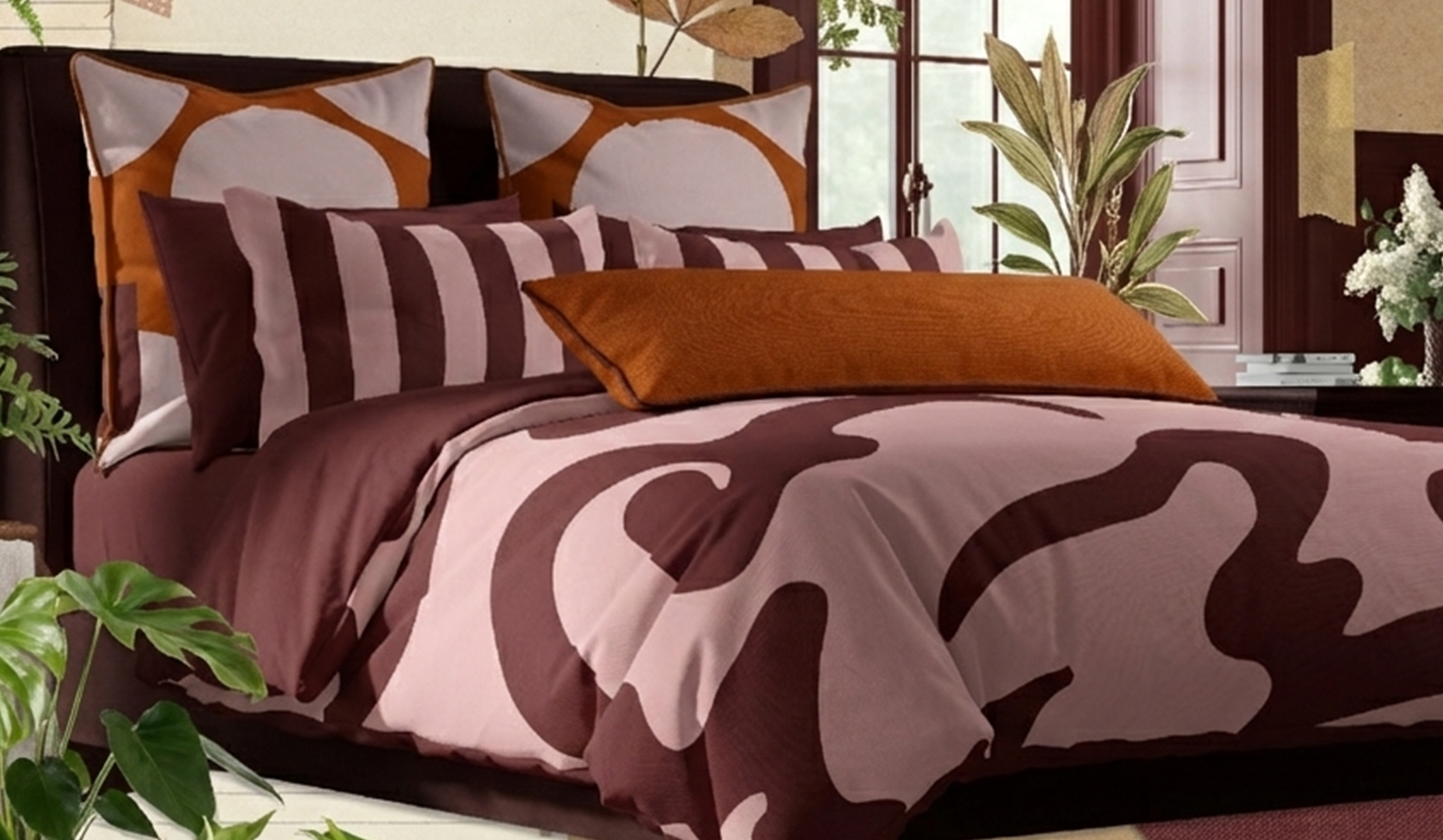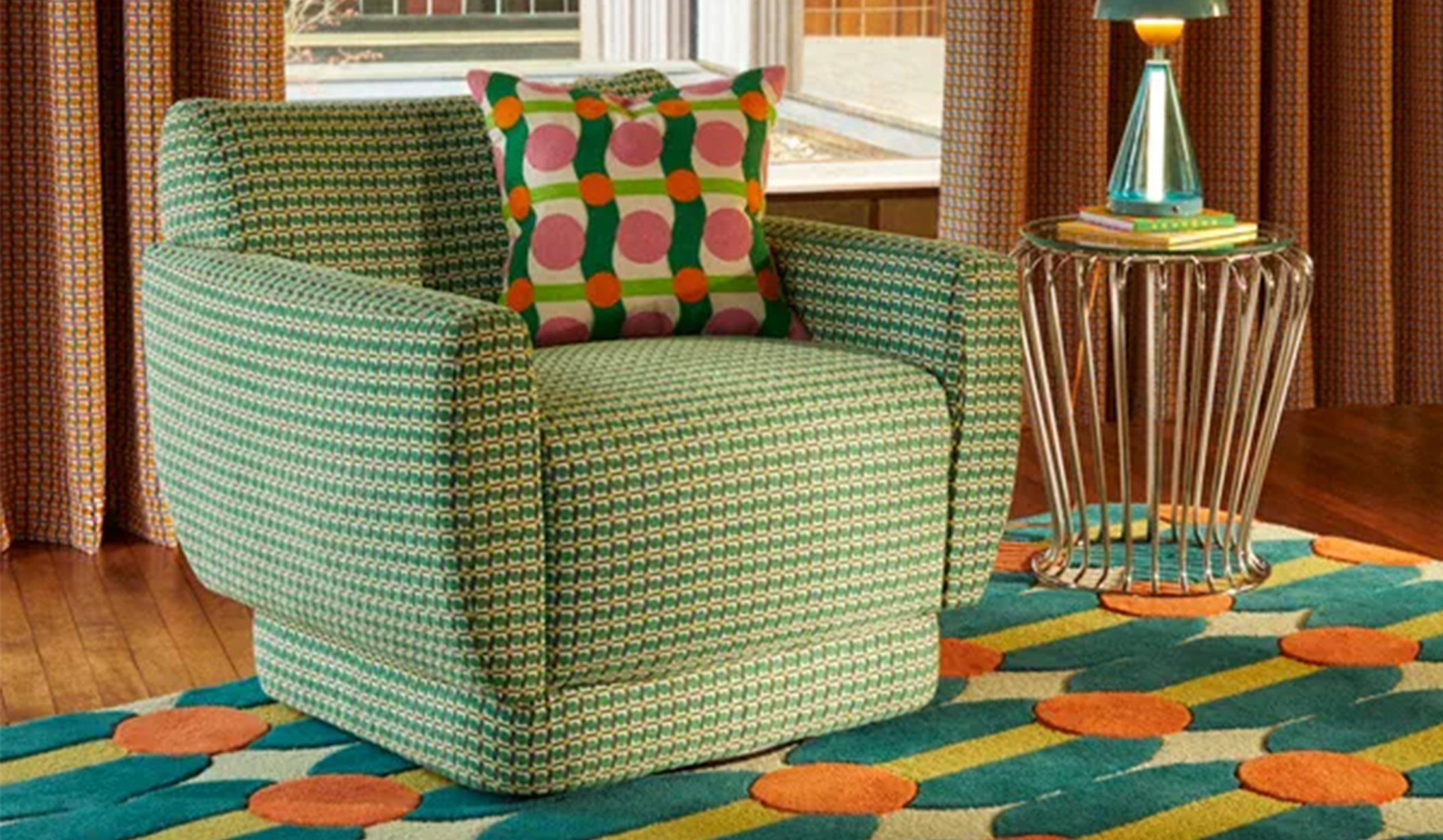

About 3 months ago, I had the urge to dig into my family tree and find out more about what my roots are, and I discovered that on my mum's side of the family, we are descendants of the Windward Maroons, with our line tracing back to the Akan people of Ghana.
I thought this was dope. So, naturally, I did what I always do. I started digging. I grabbed myself some books and went looking for imagery and clips to help me unearth and learn some things about my ancestry. I looked up what they wore, what they carried, what they built, what they grew, the instruments they played. I then became fixated on the idea of incorporating these things into my art work to then bring these discoveries; pieces of who I actually am, into my living space.

This post is about how I went about doing that. And if it's something you're curious about doing yourself, I'll share exactly how I did it so you've got at least one way to start.
Pattern Design
I've been a surface pattern designer since 2011. My patterns have always been rooted in nature, from the very start. Organic shapes, botanical references with a geometric edge that somehow always found it's way into my patterns - that's just always been my language.
What's happened over the years, though, is that language has evolved. Without me forcing it, my patterns started pulling in something more specific. Something ancestral.
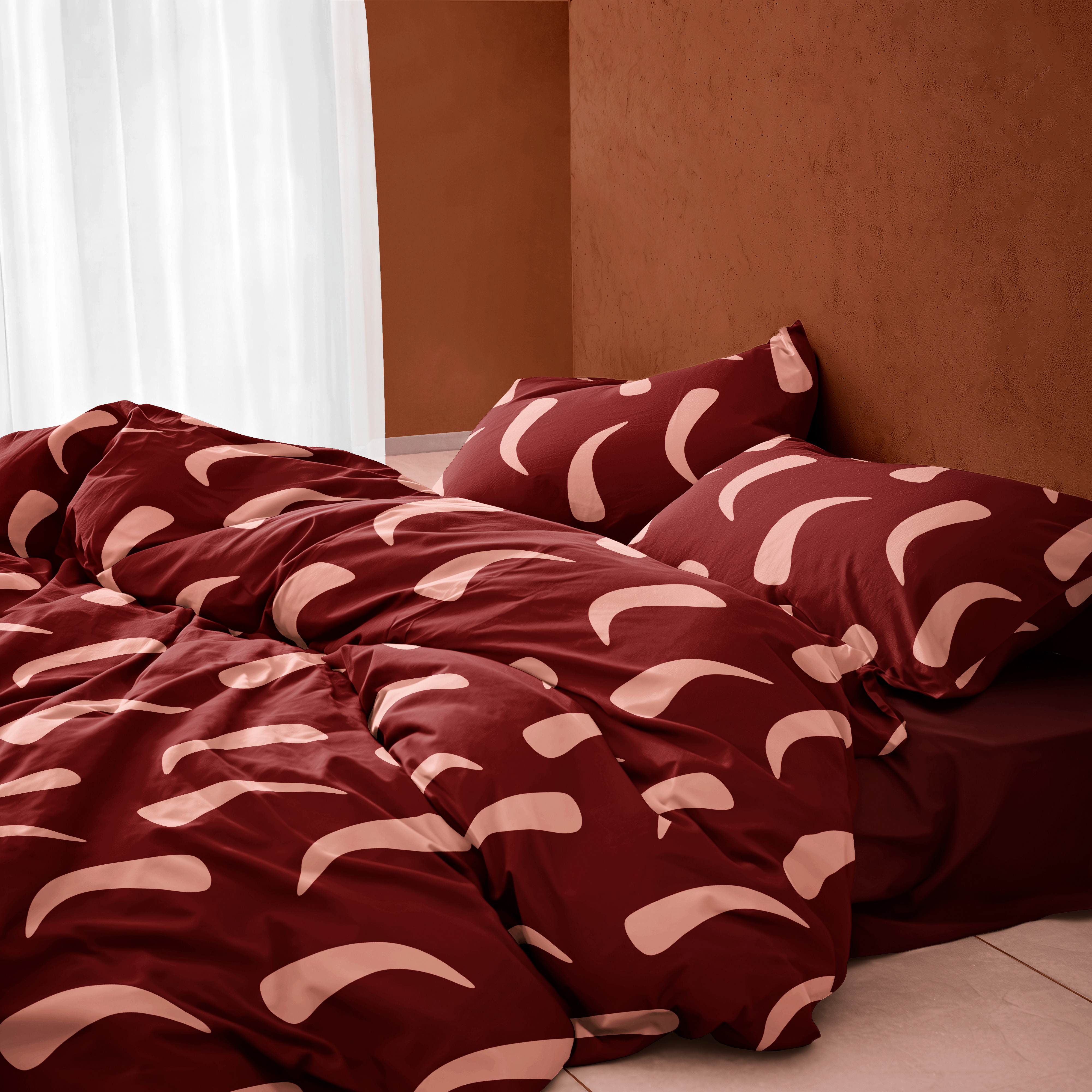
Take the Abeng print. The abeng is a horn; traditionally made from a cow's horn, used by the Windward Maroons as an instrument for communication. It carried messages across distances. It was part of how they coordinated, organised, survived. When I found out about it during my research, I knew it needed to exist as a pattern print to be used and/or displayed in living spaces as a representation.
Then there's the cacao print, incorporating the cacao tree, found growing in parts of Jamaica, where many of my family members from both sides of the family lived and passed. Again, something rooted in the land, in a place that is a part of me whether I grew up knowing all the details or not.
What I love about working this way is that these aren't just decorative decisions, they're meaningful ones, get what I'm saying? And once a pattern exists, I can print it onto fabric and turn it into something I actually interact with every day, like: a cushion cover, something displayed on a wall, something draped over a chair. It becomes part of the environment I move through, live in and find peace in.
How you can do this too:
If this is something you want to try, here's an example of what I did.
- Identified elements connected to my ancestry or history.
- Drew shapes and outlines in Procreate to represent these items (they don't have to be intricate! See Abeng print above.)
- Picked one element (or more) to turn into a repeat pattern print using Photoshop. (5000px by 5000 px / 300dpi)
- Uploaded the design to a printing company. In this example; Contrado and had it printed out onto a cushion.
Now...if the DIY route isn't for you...
and you just want some Black ancestral representation in your living space, I have some ready-made pattern prints available, ready to upload to a printing company to get printed out onto fabric or whatever other household items you're feeling.
If you want to explore further, the International Black Artists Collection is a directory of artists creating work that can be used and displayed in living spaces.
Also a special mention of The Cornrow - a homeware and lifestyle platform by Kemi and Lara, curating a collection of products celebrating art and stories from the Black and African diaspora. Gorgeous platform.
Summary
I felt compelled to make this post because it's not often we are made to feel safe. Not out there, not psychologically, not systemically, not medically. And so there's something really powerful about being able to come back to your living space and make it feel like a home that reflects you back. To be surrounded by things that say: you are part of a lineage that is worth knowing, loving and celebrating.
No matter how small the gesture, or the item, finding ways to connect to ancestry helps to root yourself. You are making home in a physical sense and psychologically.
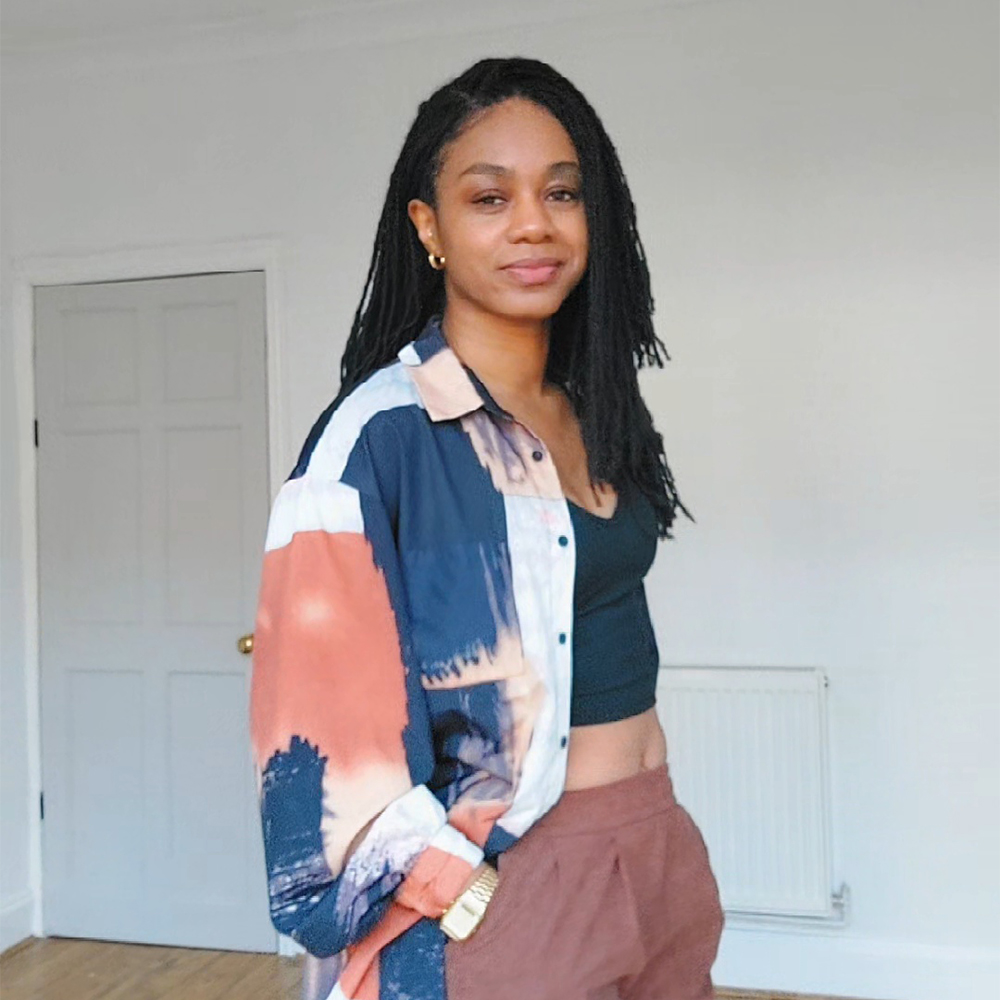
Author: Kei Maye
Hey I'm Kei, the founder and creator of Bambush. By day I'm a digital education specialist, and the rest of the time I'm a surface pattern designer, an artist and an obsessive cosy sanctuary maker. Because we need more safe spaces!
IG: @kei.maye